After evaluating thousands of trades across Pokémon, MTG, and Yu-Gi-Oh, here are the rules that protect collectors from bad deals.
Trading is one of the best parts of the TCG hobby. It’s also where a lot of collectors get burned. After looking at the trade data coming through Scryda, we noticed the same patterns in the trades that went wrong. Here are the five rules that would have caught most of them.
Rule 1: Always price the condition, not the card
A Near Mint Charizard and a Heavily Played Charizard are not the same trade. The price difference between NM and HP can be 50% or more on high-value cards.
When you evaluate a trade in Scryda, you set the condition for each card individually. The trade calculator applies condition-adjusted pricing, not just raw TCGPlayer market prices. If someone tells you a card is “played but fine,” scan it and let the AI grader give you an estimate before you commit.
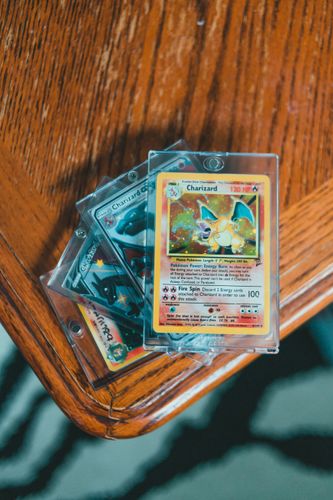
Rule 2: Check prices on the day, not last week
TCG prices move fast — especially in response to tournament results, reprint announcements, and set releases. A card that was $40 last weekend might be $25 today.
Always check current prices immediately before a trade, not from memory or a price check you did a few days ago.
Rule 3: The “I’ll look it up later” trade is already lost
The most common mistake in trades is agreeing to something verbally without pricing it in the moment. Whoever prices it later controls the trade. If you don’t have time to check prices right now, you don’t have time to trade.
Scryda’s trade evaluator takes about 30 seconds per card. You can run a full trade evaluation before anyone shakes hands.
Rule 4: Be careful with multiple small cards vs. one big card
These trades almost always favor one side disproportionately, and it’s usually the person giving up the single big card who loses. One $100 card traded for “a bunch of $10 cards” is rarely equal — the $10 cards often end up being $6–8 after condition adjustments, and some will be harder to move.
Use the trade evaluator to get a real number on both sides before agreeing.
Rule 5: Know what you actually want out of a trade
Trades fail for two reasons: one side gets a bad deal, or one side regrets the deal later. The second is harder to protect against.
Before any trade, ask yourself: do I actually want what I’m receiving, or am I just trying to move something out of my collection? A fair trade in dollars is still a bad trade if you end up with cards that will sit in a binder for a year.
The trade evaluator in Scryda is available on the Pro and Dealer plans. It shows you the fair-value comparison for any proposed trade, adjusted for condition and the latest market prices.
Share this article
Related articles


