
How to Store Pokémon Cards Without Destroying Their Value
The wrong sleeve, binder, or storage box can quietly damage your cards over months. Here's how to do it right.
Most card damage doesn’t happen during play or trading. It happens in storage — slowly, invisibly, over months. A binder with the wrong sleeve material. A box stored somewhere slightly too humid. Cards at the bottom of a backpack without a toploader.
Here’s how to store your collection so nothing gets quietly ruined.
Sleeves: start here, before anything else
Every card with any real value goes into a sleeve before it goes anywhere else. This isn’t just about scratches — it’s about oils from your hands transferring to the card surface over time, friction damage from cards touching each other, and moisture absorption along the edges.
Penny sleeves work fine for bulk commons and cards you don’t care much about. They’re thin, cheap, and do the job for cards you’re storing by the hundred.
Perfect Fit sleeves — sometimes called inner sleeves — are better for anything valuable. They fit tightly around the card with no air pocket, which means no movement and no moisture getting in at the edges. KMC, Dragon Shield, and Ultimate Guard all make good ones.
Double sleeving is what you do for cards worth $20 or more. A Perfect Fit inside a standard outer sleeve. The inner sleeve handles moisture; the outer sleeve handles impact and friction. It adds a bit of bulk but that’s not a problem for anything that isn’t going into a binder immediately.
Binders: the PVC problem
The most common storage mistake in the hobby is using a binder with PVC pages.
PVC pages are the ones sold at office supply stores and most game shops — they’re usually crystal clear, slightly sticky to the touch, and cheap. They’re also slowly destroying the cards inside them. PVC off-gasses plasticizers over time. Those chemicals transfer directly to the card surface and cause what collectors call PVC damage: a greasy, cloudy film that’s nearly impossible to remove and doesn’t show up until months later.
What you want is polypropylene pages. They’re slightly less perfectly transparent, they don’t feel sticky, and they don’t off-gas. Dragon Shield, Ultra Pro Platinum, and Ultimate Guard’s ZipFolio all use polypropylene. If your current binder pages aren’t labeled as polypropylene, assume they’re PVC and replace them.
The other binder detail worth knowing: O-ring binders (round rings) can gap slightly on one side when fully open, which creates uneven pressure on the cards and can cause them to slide. D-ring binders (flat on one side) close more evenly. For anything you’ll open and flip through regularly, D-ring is the better choice.
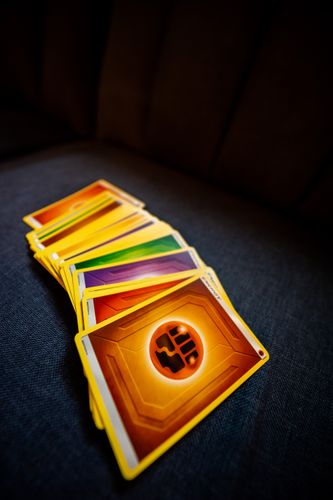
Toploaders for cards you’re not actively sorting
For high-value singles, cards waiting to be sold, or anything set aside for grading submission — a toploader is the right storage method.
Standard 35pt toploaders fit most modern Pokémon cards. For thicker cards (secret rares, alternate arts with heavy holo layers), get 100pt toploaders. The card should slide in without forcing it and without rattling around.
Semi-rigids are softer than hard toploaders and easier to store in larger quantities. They’re fine for mid-range cards. For anything you’re seriously protecting, stick with hard toploaders.
One thing people skip: put a penny sleeve on the card before sliding it into the toploader. The inside edges of a toploader can scratch a card as it goes in. The sleeve prevents that.
Long-term storage: environment matters
If you’re storing cards in boxes in a closet — collection you’re holding for a few years — the environment matters more than people think.
Temperature: Aim for 65–70°F. Big temperature swings cause cardboard to expand and contract, which stresses the card layers over time. A hot attic in summer and a cold garage in winter are both bad places for a collection.
Humidity: 45–55% relative humidity is the target. Too dry and cards curl. Too humid and the card edges start absorbing moisture, leading to soft corners and eventual warping. A small silica gel packet inside a sealed storage box handles this passively — the $3 kind from any camera store works fine.
Light: UV light fades card art and yellows some holofoil patterns over years of exposure. Long-term storage belongs in a closet or drawer, not a shelf by a window.
A standard cardboard storage box, cards in sleeves or toploaders, kept in a dry interior closet, will keep cards in excellent condition for a very long time. The fancy storage solutions are nice but they’re not necessary.
The thing most people skip
When you add a new card to your collection, document it. Note the condition at the time you got it — or better yet, scan it so you have a record.
Card condition degrades slowly enough that if you’re not tracking what each card looked like when you acquired it, you won’t notice the change until something significant has happened. When you go to sell a card two years later and the buyer disputes the grade, having a record of what it looked like when it came in matters.
Scryda logs condition when you scan — so you have a baseline for every card the moment it enters your collection.
Share this article
Related articles


